Practical Info
Practical Information
Everything you need to know before arriving in Amman — including accommodation options, what to expect, and how to prepare for your stay in Jordan.
Accommodation
Your Home Away from Home
At the Shami Arabic Institute in Jordan, we have over a decade of experience welcoming international participants worldwide. We understand that adjusting to a new environment is easier when you feel comfortable in your living arrangements — allowing you to focus on learning Arabic and volunteering in the city of Amman, Jordan.
Our accommodation options are all located around Amman, close to the school. Your home away from home is organized with the comfort, safety, and convenience of international participants in mind.
Close to the School
All accommodations are located around Amman, within easy reach of the institute.
Safe & Secure
Organized with the comfort, safety, and convenience of international participants in mind.
Fully Furnished
Move-in ready with everything you need to feel at home from day one.
Community
Live alongside fellow international participants and build lifelong friendships.
Amman, Jordan
Where Language Meets Culture
At the Shami Institute, we offer more than just Arabic language lessons; we provide an immersive and enriching educational journey that connects students directly with the vibrant cultures of Jordan and Palestine. Our unique approach ensures a holistic learning experience that extends far beyond the classroom.
We believe that true language acquisition goes hand-in-hand with cultural immersion. Our curriculum is thoughtfully designed to weave elements of Jordanian and Palestinian culture into every class — from traditional storytelling and music to discussions on local customs and history. Students gain a deep appreciation for the rich heritage of the Levant, where learning Arabic becomes a gateway to understanding and engaging with the heart of this fascinating region.
History of Amman
Citadel in Amman
A hilltop complex featuring ancient ruinsExplore the Amman Citadel — one of the oldest continuously inhabited sites in the world, overlooking the city from Jabal al-Qal'a.
The Middle East
A transcontinental region spanning Western Asia and North AfricaLearn more about the Middle East — the broader region that is home to a rich tapestry of languages, religions, and civilizations.
Traveling and Visas to Jordan
Traveling to Amman, Jordan
Traveling to Amman, Jordan, is an exciting opportunity for students, researchers, and visitors eager to explore the country's rich culture, history, and educational offerings. As the capital city, Amman serves as the main hub for international arrivals, providing modern amenities, a welcoming environment, and convenient access to Jordan's many attractions. Whether arriving by air or land, understanding transportation options, visa requirements, and local logistics ensures a smooth and enjoyable start to your stay.
Traveling to Amman, Jordan
Amman, the capital of Jordan, is the main gateway for international students and travelers visiting the country. The city is well-connected both by air and land, making it relatively easy to reach from most parts of the world.
By Air
Queen Alia International Airport (AMM) serves as Jordan's largest airport and is located approximately 35 kilometers south of downtown Amman. It is serviced by major international airlines, connecting directly to cities across Europe, the Middle East, Asia, and North America. From the airport, travelers can reach central Amman by taxi, airport shuttle, or private transfer, which generally takes 30 to 45 minutes depending on traffic.
By Land
Jordan shares borders with Israel, Palestine, Syria, Iraq, and Saudi Arabia, allowing overland entry from neighboring countries. Major border crossings include the King Hussein/Allenby Bridge from the West Bank, Sheikh Hussein Bridge from northern Jordan near Israel, and the Jaber Crossing from Syria. Bus services, taxis, and private transfers are available from these border points to Amman.
| Mode of Travel | Key Information |
|---|---|
| By Air | Queen Alia International Airport (AMM), 35 km south of downtown Amman; serviced by major international airlines; transport to city via taxi, shuttle, or private transfer (30–45 min). |
| By Land | Borders with Israel, Palestine, Syria, Iraq, and Saudi Arabia; major crossings: King Hussein/Allenby Bridge (West Bank), Sheikh Hussein Bridge (northern Jordan), Jaber Crossing (Syria); buses, taxis, and private transfers available. |
| Local Transport | Public transport is reliable, taxis are affordable, mobile SIM cards readily obtainable; internet widely available. |
| City Environment | Safe, manageable city size; modern health care, supermarkets, dining, and cultural options make settling in easy for students and visitors. |
Visa Requirements
Visa on Arrival
Many travelers from Western countries, including the US, Canada, EU nations, Australia, and New Zealand, are eligible for a tourist visa on arrival at the airport or major land border crossings. The standard tourist visa is valid for 30 days and can often be extended for an additional 30 days at the Jordanian Immigration Department. This should all be checked personally by anyone considering coming to Jordan.
Pre-Arranged Visas
Travelers from countries not eligible for visa on arrival must obtain a visa in advance from a Jordanian embassy or consulate. Applicants typically need a valid passport, completed application forms, passport-size photos, and sometimes proof of accommodation or travel plans.
Student and Long-Term Visas
Students planning to study in Jordan for extended periods, such as for language programs or university courses, are usually required to obtain a student visa. This can either be arranged before arrival or converted from a tourist visa after entering Jordan. Schools often provide official letters of acceptance to facilitate the process.
Special Notes
The Jordan Pass is available for tourists from many countries. It covers the visa fee (for stays of at least three nights) and grants entry to top tourist sites, including Petra and Jerash.
Most visas are single-entry, so travelers planning to leave and return to Jordan should verify multiple-entry options.
Passports should be valid for at least six months from the date of entry.
| Visa Type | Key Information |
|---|---|
| Visa on Arrival | Available to travelers from US, Canada, EU, Australia, New Zealand, and other eligible countries; valid for 30 days, extendable by 30 days. |
| Pre-Arranged Visa | Required for travelers not eligible for visa on arrival; obtained via Jordanian embassy or consulate; typically requires passport, photos, forms, and proof of accommodation or travel plans. |
| Student / Long-Term Visa | Required for extended study programs; can be arranged before arrival or converted from a tourist visa; schools provide acceptance letters to support the process. |
| Special Notes | Jordan Pass covers visa fee (for stays of 3+ nights) and entry to top tourist sites (Petra, Jerash); most visas are single-entry; passports must be valid for at least six months. |
Settling in Amman
For students arriving in Amman, the city offers a safe and welcoming environment. Public transport is reliable, taxis are affordable, and mobile SIM cards are easily obtainable. Internet access is widespread, allowing students to stay in touch with family and friends worldwide. With modern health care services, accessible supermarkets, and a range of dining and cultural options, Amman combines convenience with a safe, manageable city size, making it ideal for students coming from abroad.
Conclusion
Amman offers a safe, manageable, and culturally vibrant base for anyone visiting Jordan, with modern infrastructure, excellent connectivity, and accessible services for travelers. By planning ahead for visas, transportation, and other essentials, students and visitors can focus on settling in, exploring the city, and fully immersing themselves in the rich experiences Jordan has to offer. With its combination of convenience, safety, and cultural depth, Amman is an ideal starting point for both short-term visits and extended stays in Jordan.
Important Links
Useful Resources for Your Trip
A curated collection of official websites and services to help you plan your travel, visa, transportation, and sightseeing in Jordan.
Visit Jordan (Official Tourism Board)
The official site for tourism — top sights, itineraries, events, and travel tips.
https://visitjordan.gov.jo
Jordan eVisa / eGate Portal
Apply for Jordanian visas, check requirements, or verify needed documents.
https://eservices.moi.gov.jo
Jordan Pass
Highly recommended! Includes visa fee waivers + entrance to over 40 attractions, including Petra.
https://www.jordanpass.jo
Queen Alia International Airport (Amman Airport)
Flight arrivals/departures, transport options, and airport services.
https://www.qaiairport.com
JETT Bus (Intercity Transportation)
Long-distance buses to Petra, Aqaba, Wadi Rum, Amman airport, and more.
https://www.jett.com.jo/en
Jordan Car Rentals
For renting cars to explore sites outside Amman.
https://www.jordancar.net/
Visit Petra (Official Site)
Opening times, ticket prices, guides, and practical info.
https://www.visitpetra.jo
Wadi Rum Protected Area
Book camps, jeep tours, hiking, and Bedouin experiences.
https://wildwadirum.com/wadi-rum-protected-area/
Food In Jordan
Jordanian Food
Our school is located in the heart of Jabal Al-Weibdeh, one of Amman's most charming and culturally vibrant neighborhoods, surrounded by a wide variety of dining options. From casual cafés to full-service restaurants, students can easily enjoy a delicious meal at any time of the day.
Nearby menus feature a mix of classic Jordanian dishes such as falafel, hummus, foul, mansaf, maqlouba, and kunafa, alongside popular Levantine street food like shawarma and shish tawouk. For those looking for international flavors, options include Thai, Chinese, American, and Middle Eastern fusion cuisine. Vegetarian, vegan, and other dietary-specific choices are also readily available.
While our school is generally closed during typical breakfast and dinner hours, our team is always happy to recommend reliable nearby restaurants, cafés, and supermarkets, ensuring students can find convenient, satisfying, and authentic meals during their time in Amman.
| Topic | Key Information |
|---|---|
| School Location | Located in Jabal Al-Weibdeh, a culturally vibrant neighborhood with many dining options. |
| Nearby Cuisine Options | Local Jordanian dishes: falafel, hummus, foul, mansaf, maqlouba, kunafa; Levantine street food: shawarma, shish tawouk; International: Thai, Chinese, American, Middle Eastern fusion. Vegetarian, vegan, and dietary-specific options available. |
| Dining Support | School staff recommend nearby restaurants, cafés, and supermarkets; school generally closed during breakfast and dinner hours. |
| Food Culture | Large communal meals are a social tradition; Jordanian cuisine balances grains, meats, dairy, and vegetables; influenced by Syria, Lebanon, and Palestine. |
| Appetizers & Everyday Favorites | Mezze/muqabalat: cheeses, salads, cucumbers, tomatoes, greens, olive-oil or pickled vegetables; hummus, fattoush, tabbouleh, koubbeh, foul moudames. |
| Signature Dishes | Grilled meats: shish tawouk, kebabs; maqluba (flipped casserole); shawarma and falafel as quick meals; mansaf (national dish: lamb or chicken in yogurt sauce with rice, pine nuts, almonds; eaten communally). |
| Desserts | Sweet pastries and cookies; served with cardamom coffee or tea; popular items: baklava, basbousa, kunafa, qatayif. |
| 10 Must-Try Foods | Mansaf, Maqlouba, Falafel & Hummus, Shawarma, Zarb, Kunafa, Musakhan, Warak Enab, Fattet Hummus, Arabic Coffee & Bedouin Tea. |
Food Culture and Culinary Influences in Jordan
Sharing large meals is an important social tradition in the Middle East, and in Jordan it is especially meaningful. Families—both close and extended—often come together to enjoy generous dishes served on large, communal platters, making meals a central and celebratory part of daily life and special occasions.
Jordanian cuisine reflects a balanced combination of grains, meats, dairy products, and fresh vegetables. Strongly influenced by neighboring countries such as Syria, Lebanon, and Palestine, it features a wide range of dishes, from grilled meats and poultry like kebabs and shish tawouk to stuffed vegetables, including grape leaves, bell peppers, and eggplants.
Appetizers and Everyday Favorites
As in many Middle Eastern and Mediterranean cultures, appetizers play a key role in the local dining experience. These starters, known as mezze or muqabalat, are typically served as an assortment of small plates that may include cheeses, fresh salads, cucumbers, tomatoes, leafy greens, and a variety of vegetables that are either cooked in olive oil or preserved through pickling.
One of the most commonly enjoyed appetizers is a creamy blend of chickpeas, sesame paste, lemon, and garlic known as hummus. Other popular dishes include fattoush and tabbouleh salads, as well as koubbeh, a specialty made from cracked wheat. Foul moudames, prepared from slow-cooked fava beans, is also a widely loved staple.
Signature Dishes and Desserts
Grilled favorites such as shish tawouk and kebabs feature marinated pieces of chicken, lamb, beef, or vegetables skewered and cooked over hot coals or open flames. Another well-known Jordanian dish is maqluba, a layered casserole of rice, vegetables, and meat that is traditionally flipped upside down onto a serving plate before being presented.
For fast, flavorful meals, many Jordanians turn to shawarma—thin slices of chicken or lamb wrapped in flatbread—or falafel, a sandwich filled with seasoned, fried chickpea balls. It is also quite common for families to begin their day with falafel and hummus. On weekend mornings in particular, locals of all ages can often be seen at neighborhood vendors carrying plates of hummus and tahini wrapped in plastic, along with bags filled with freshly made falafel.
Mansaf: The National Dish
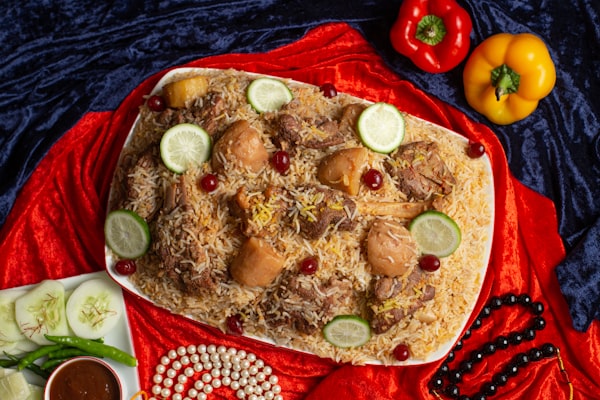
A discussion of Jordanian cuisine would be incomplete without mentioning mansaf, the country's national dish. Rooted in Bedouin tradition, mansaf is prepared using Arabic rice, a rich sauce made from dried fermented yogurt (jamid), and lamb or chicken seasoned with fragrant herbs. Large serving trays are lined with flatbread soaked in the yogurt sauce and layered with rice, then topped with generous portions of meat, pine nuts and almonds.
Preparing mansaf requires several hours, making it a dish reserved for important occasions such as weddings and engagements. It stands as a powerful symbol of hospitality and generosity in Jordanian culture, often reflected in the quantity of meat served.
Traditionally, mansaf is shared from a single large platter by a group of people standing around it. Guests eat with their right hand, forming small portions of rice, while keeping their left hand behind their back in accordance with custom.
Desserts
Jordanian desserts mainly consist of sweet pastries and cookies, typically enjoyed with strong, heavily sweetened coffee flavored with cardamom or with tea served in small cups. Popular sweets include baklava, made from layers of phyllo and nuts soaked in syrup or honey, basbousa, a moist semolina cake, kunafa, filled with cheese, and qatayif—small stuffed pancakes traditionally served during iftar in Ramadan.
10 Must-Try Jordanian Foods in Amman
Click on any dish name to learn more — each link opens a dedicated resource in a new tab.
1. Mansaf
Jordan's national dish: lamb cooked in a tangy yogurt sauce served over rice. Widely available in traditional restaurants and Bedouin camps.
2. Maqlouba
A "flipped" layered rice, meat, and vegetable dish, served upside-down for a stunning presentation.
3. Falafel & Hummus
Crispy chickpea or fava bean balls served with creamy hummus — a staple street food across Jordan.
4. Shawarma
Thinly sliced meat cooked on a rotating spit, served in bread with vegetables and sauces.
5. Zarb (Bedouin Barbecue)
Slow-cooked meat and vegetables underground — a traditional Bedouin culinary experience in Wadi Rum.
6. Kunafa (Knafeh)
A sweet, cheese-filled pastry soaked in syrup — perfect for dessert.
7. Musakhan
Roasted chicken with sumac and caramelized onions served on taboon bread, full of flavor.
8. Warak Enab (Stuffed Grape Leaves)
Grape leaves stuffed with rice, meat, and spices — a classic mezze dish.
9. Fattet Hummus
Layers of crispy pita, hummus, chickpeas, yogurt sauce, and pine nuts — a hearty, comforting dish.
10. Arabic Coffee & Bedouin Tea
Traditional beverages: cardamom-spiced coffee for hospitality and sweet Bedouin tea for a warm welcome.
Jordanian Food Gallery
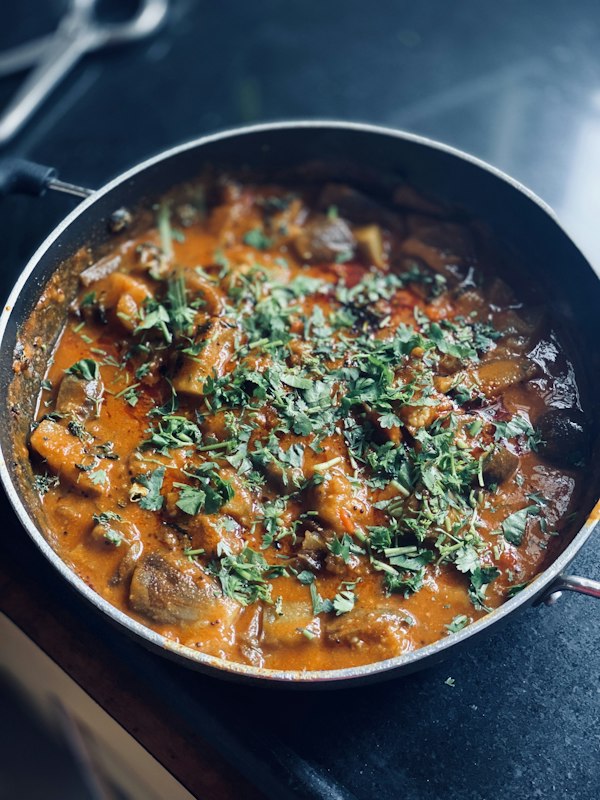
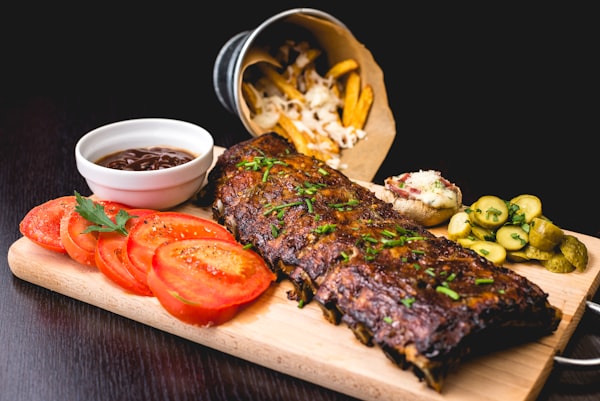
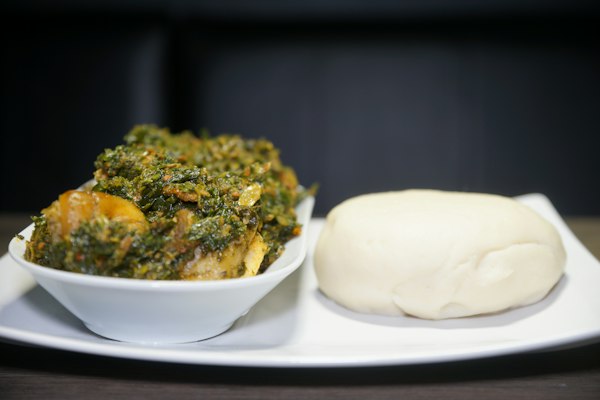
A visual tour of the must-try dishes you can enjoy in Amman.






Your Accommodation Options
Choose Your Living Arrangement
Shared Female Apartment
A brand new, modern, fully furnished apartment just near the school with multiple shared rooms, fully equipped kitchen, four bathrooms, spacious living area, and a balcony with a scenic view of Amman.
Shared Male Apartment
A comfortable shared flat near the school with shared bedrooms, functional kitchen, washing machine, and spacious common living area — providing an independent living experience with fellow international participants.
Jordanian Host Family
Live with a local family near the school for full cultural immersion. Includes private or shared bedroom, daily exposure to Arabic and local customs, home-cooked meals, and participation in cultural celebrations.
Private Accommodation
Private flats or rooms for those staying long-term or preferring more privacy. Independent living, safe and centrally located, close to the school. Extra costs apply.